Medical internships abroad let students and recent graduates apply theoretical knowledge in real healthcare settings while gaining a global perspective.
International clinical exposure: Observe and support healthcare professionals in hospitals, clinics, and community health centers
Professional skill development: Communication, adaptability, teamwork, and ethical awareness in medical settings
Understanding healthcare systems: Learn how public and private healthcare systems function globally
Career advantage: Strengthen medical school or healthcare job applications with supervised international experience
Cultural competence: Work with diverse patient populations and medical teams
Practice: Limited scope of practice depending on education level and country regulations
Communication: Cultural and language barriers
Budget: Financial planning for travel and living expenses
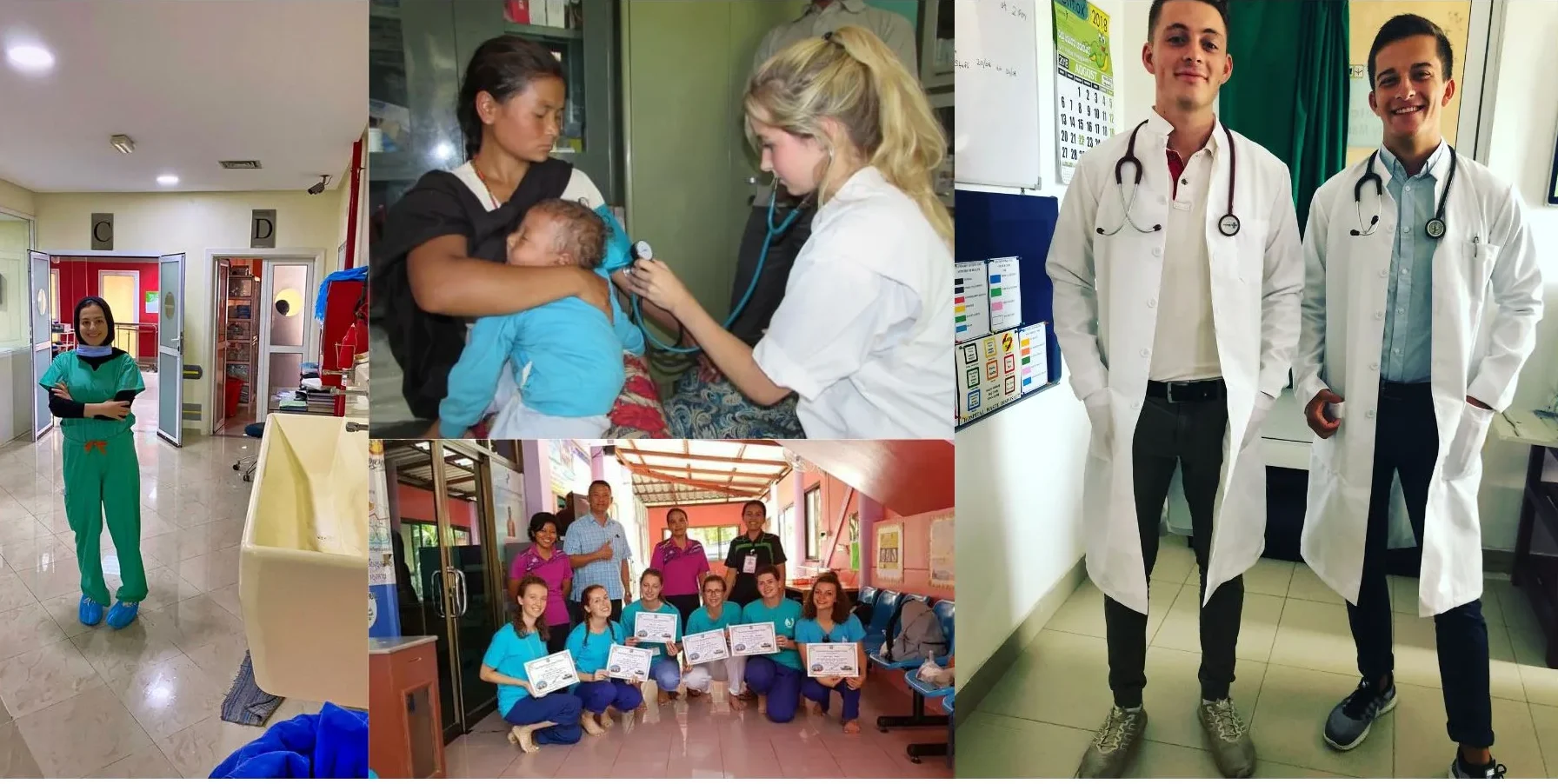
Requirements for medical internships abroad vary based on education level, field of study, and host country regulations. Programs are structured to match an intern’s academic training and ensure ethical, supervised participation.
Medical internship programs are typically open to students or graduates in:
Pre-Med/Undergraduate Students:
Undergraduate students pursuing pre-med, biology, biomedical sciences, public health, or related healthcare tracks who have completed at least 1–2 years of university-level coursework. Roles are primarily observational and educational, with no independent patient care or clinical decision-making.
Typical responsibilities:
Designed for nursing students (ADN, BSN, or equivalent) who have completed foundational coursework and early clinical rotations. Interns provide supervised patient care, with duties determined by their training level and local healthcare regulations.
Typical responsibilities:
Designed for medical students who have completed pre-clinical training, offering supervised observational exposure with limited assistance and no independent clinical decision-making.
Typical responsibilities:
Designed for final-year medical students or recent graduates, offering enhanced observational opportunities under supervision, without independent clinical responsibilities.
Typical responsibilities:
Important note: Even for graduates, independent clinical practice is not permitted without local licensure.
Healthcare internships abroad span hospitals and clinics, community health programs, public health outreach, medical research, nursing placements, mental health services, and rehabilitation centers—so the right choice depends on whether you want hands-on clinical experience, patient interaction, research exposure, or a broader public health perspective aligned with your career goals.

Find out more about types of internships abroad here.


Most internships require a budget beyond the program fee. With RealStep, the registration fee covers key essentials like weekday breakfast and lunch, accommodation, and airport pickup, while longer stays cost more, and participants should plan extra for personal spending money. Here are a few other ways to fund your trip:

India A top choice for internships due to its diverse healthcare settings. Gain experience from high-tech hospitals to rural clinics, offering interns a wide range of experiences and medical cases.
South Africa - Explore their unique combination of advanced medical facilities and underserved communities, providing interns with a broad perspective on healthcare disparities and solutions.
Thailand - Attracts interns with its mix of modern hospitals and traditional practices, along with the opportunity to work in vibrant, diverse communities.
Spain - Train in Europe’s well-structured healthcare system and learn European healthcare practices.
Sri Lanka offers interns a rich experience in both urban hospitals and rural clinics, emphasizing public health initiatives and community care in a culturally unique setting.
Discover more medical internship destinations here.






Discover all medical internships abroad by RealStep here.
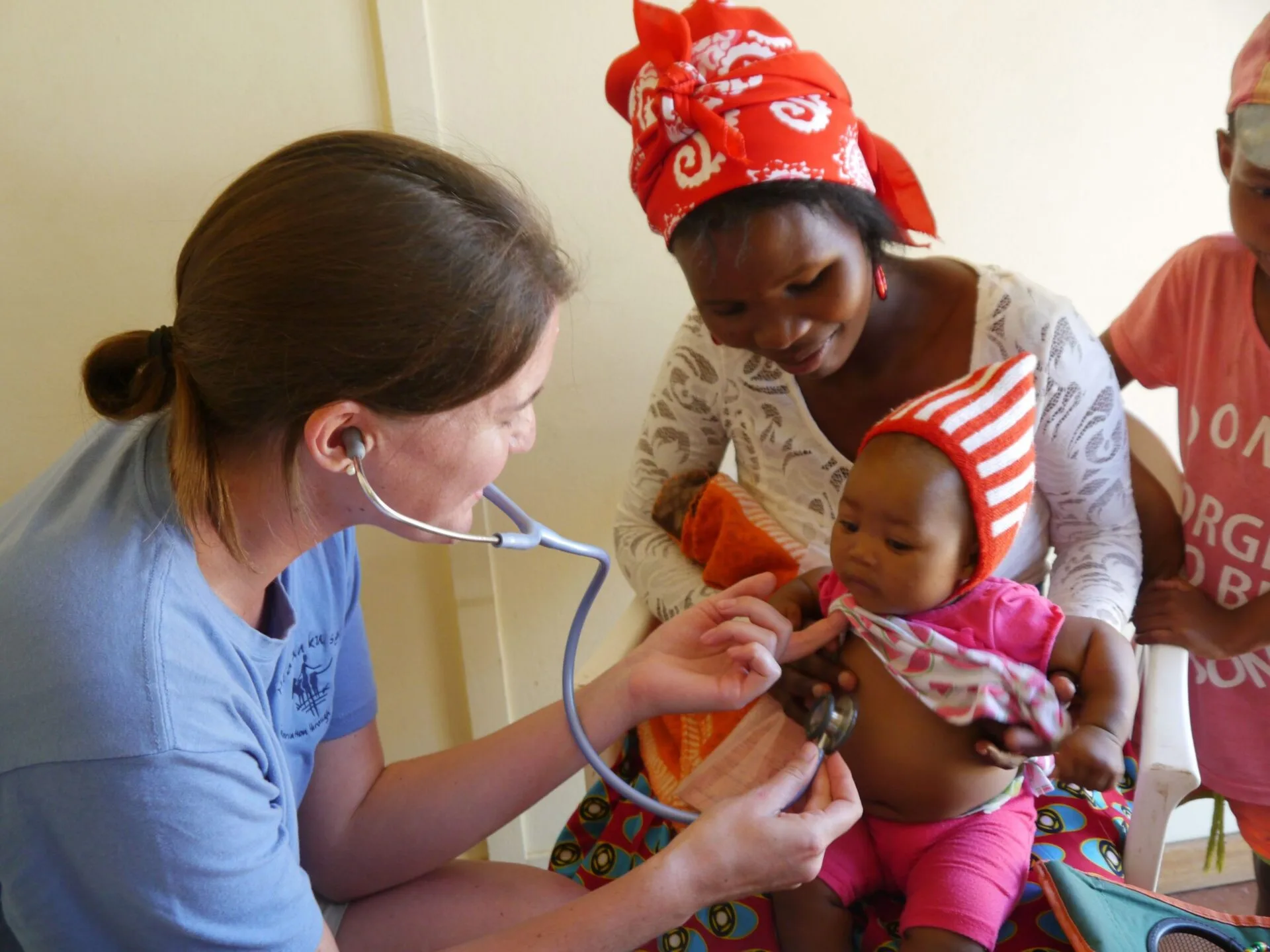
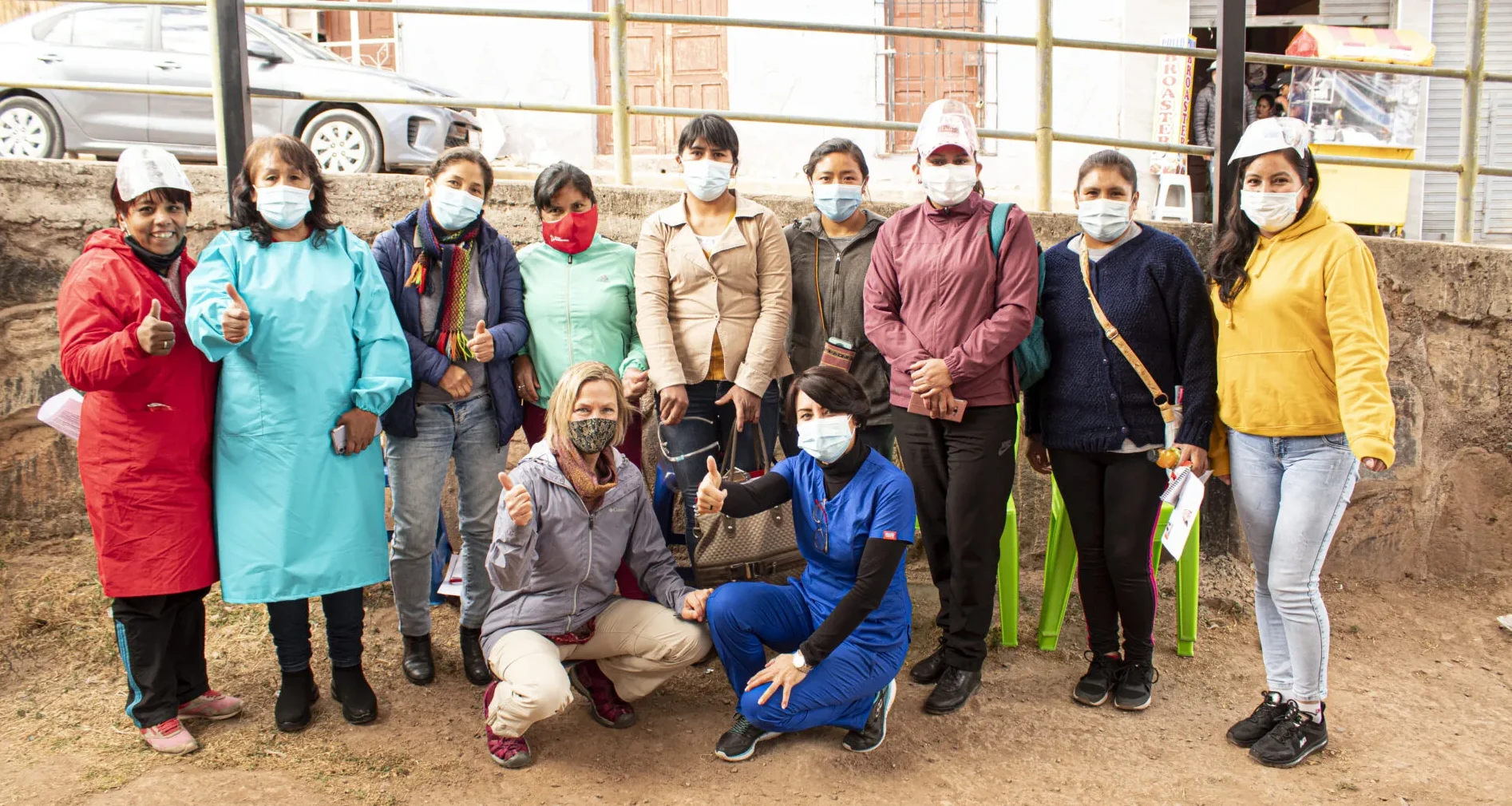
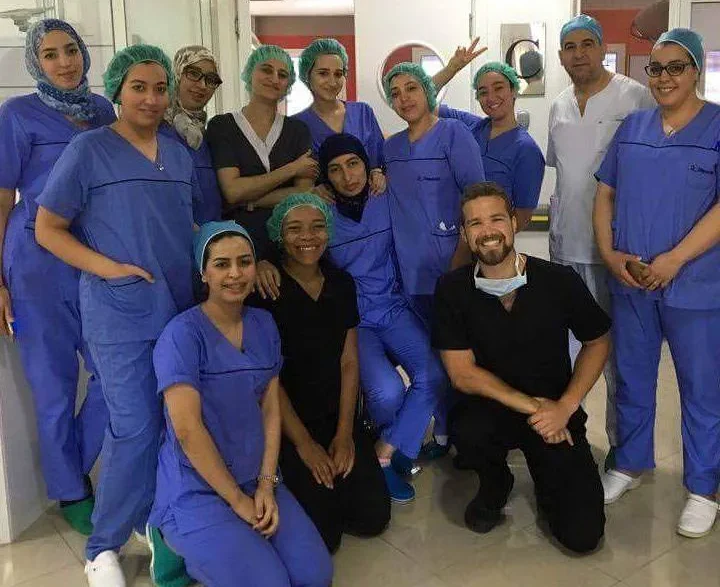
Spain – Clinical training + cultural immersion
Germany – High healthcare standards + research opportunities
UK – World-renowned hospitals + diverse patient care
Canada is a great place to choose for an internship in many medical fields because of its advanced healthcare system and diverse patient population. RealStep does not currently offer medical internships there. Instead, check out RealStep programs in 10+ countries.
Many organizations provide affordable internship opportunities abroad for medical students, but RealStep stands out for its commitment to fostering the next generation of healthcare professionals. RealStep's mission is to offer impactful and affordable medical internships with flexible program durations.
Yes! Medical internships abroad can strengthen a med school application by showing clinical exposure, cultural competence, adaptability, and commitment to healthcare. The key is choosing a program where you observe ethically, learn from professionals, and can clearly explain what you gained from the experience.
Start by choosing a program that matches your education level and interests. Then prepare your CV, motivation letter, and any required documents (transcripts, background check, vaccinations). Apply early, confirm visa requirements, and budget for program fees, flights, and insurance.
It depends on your goals. Internships are usually more structured and clinically focused, which can be more relevant for med school. Volunteering often emphasizes community support and outreach. For pre-med students, internships typically provide more medically related experience.